
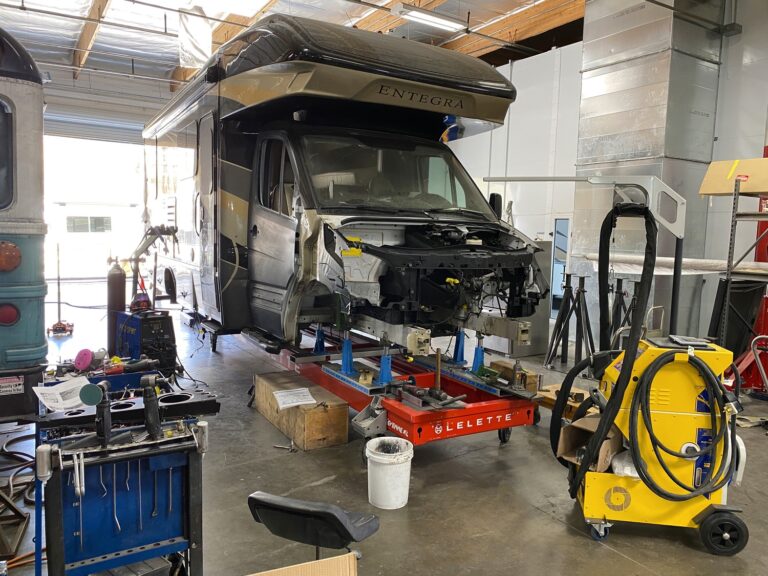
Submitting an RV insurance claim in California often turns stressful when simple oversights occur during the filing stage. These oversights frequently cause lower payouts, drawn-out processing periods, vehicle downtime that disrupts travel plans, or full rejections that leave owners paying for repairs themselves. This in-depth resource breaks down the 15 biggest RV insurance claim mistakes in California, explains the reasons behind each error, and delivers straightforward strategies to sidestep them so you receive the complete compensation your case warrants. Damage from freeway impacts, moisture intrusion following storms, theft at campsites, or wildfire exposure can all trigger claims, and spotting these common traps safeguards your RV investment while easing the entire recovery journey. The RV insurance claim process calls for precise handling right from the initial alert to the final payout, and neglecting even a single element can shift the entire result dramatically.
The RV insurance claim fundamentals kick in the instant harm happens and stretch until fixes wrap up and funds arrive. Across California, RVs deal with distinct hazards tied to packed highways, periodic wildfires, seismic activity, and city parking lots, raising the difficulty level compared to other locations. Carriers demand fast notification, complete proof, and exact policy compliance, yet countless owners skip these basics, ending up with irritation and monetary losses. The typical flow covers quick incident notification, evidence gathering, adjuster evaluation, estimate approval, repair permission, and payment release. California regulations establish exact liability floors—$15,000 per person for bodily injury, $30,000 per accident, and $5,000 for property damage—creating the core foundation for every RV liability claim. Comprehensive options manage non-collision incidents including theft, vandalism, or storm damage, whereas collision options tackle crash fixes. Extras such as total loss replacement, pet injury safeguards, roof shielding, and extra living allowances regularly plug holes left by basic plans. Plenty of owners wrongly think their car coverage carries over completely to RVs, but RV-focused plans cover special elements like slide-outs, awnings, appliances, and year-round living setups that differ greatly from standard autos. Checking these differences ahead of time stops unexpected exclusions when claims arise. Reports from the industry reveal that filings with weak early setup see refusal rates reaching 40% in various groups. Spending moments on the declarations sheet and grasping protected events stops the majority of initial troubles. Solid early steps lay the groundwork for success. Contact us for a complimentary claim preparation checklist to make sure your filing begins solidly.
Understanding the RV Insurance Claim Process in California
The RV insurance claim process across California needs exactness to dodge expensive refusals and holdups. RVs here face bigger risks from crowded freeways, recurring wildfires, earthquakes, and city parking zones, adding layers of difficulty. Carriers look for swift alerts, full proof, and strict rule following, but many owners miss these points, causing irritation and smaller payments. The sequence normally covers fast incident alerts, evidence collection, adjuster checks, estimate sign-off, repair go-ahead, and payment delivery. California rules set firm liability floors—$15,000 per person for bodily injury, $30,000 per accident, and $5,000 for property damage—setting the essential base for any RV liability claim. Comprehensive plans manage non-collision events like theft, vandalism, or storm harm, while collision plans manage crash fixes. Extras like total loss replacement, pet injury coverage, roof protection, and extra living allowances often seal frequent holes in basic plans. Lots of owners wrongly assume their car plan fully transfers to RVs, but RV-focused plans handle special parts like slide-outs, awnings, appliances, and year-round living setups that differ greatly from regular cars. Confirming these differences early stops surprise exclusions later. Industry numbers show filings with weak early setup see refusal rates up to 40% in some groups. Checking the declarations sheet and grasping protected events clears most early troubles. Early steps set the pace for success. Contact us for a complimentary claim preparation checklist to build a firm filing from the start. Owners handling complex fixes can check RV collision repair options that work smoothly with claims.
Key Steps in Filing an RV Claim
Filing starts with quick alerts to the carrier, then complete evidence and adjuster teamwork. Fast alerts keep proof fresh and meet rule deadlines. Full records, including pictures and reports, back accurate pricing.
Immediate Actions After an Incident
Put safety first, then record the spot with pictures from every side and gather witness details. Alert authorities when needed and notify the carrier right away. These first moves strengthen the RV insurance claim base and stop later arguments. Many owners gain from expert help here to dodge usual slips that cut settlements.
Gathering Essential Documentation
Collect plan info, police reports, pictures, fix estimates, receipts, and any messages. Neat records cut tension during adjuster checks and back full payback for protected harm. This move matters a lot for California filings where state rules add extra checks.
Common Coverage Types for RV Owners
Coverage kinds differ a lot, and knowing them stops mismatches when claims hit. Comprehensive manages non-collision losses, collision covers crash fixes, and extras fill special needs. Picking the right mix guards against the varied dangers RVs meet on California roads.
Comprehensive vs Collision Coverage
Comprehensive handles theft, vandalism, and weather events, while collision focuses on hit damage. Picking suitable limits makes sure protection fits real risk levels. This split matters most when filing for harm from travel or storage.
Add-Ons Like Total Loss Replacement
Extras such as total loss replacement, pet injury, and roof protection fill holes in basic plans. These choices often help in California’s mixed settings, giving added safety when standard plans fall short. For deeper fixes after approval, see our guide to RV roof repair.
Solid early steps stop most refusals. Contact us for a complimentary claim preparation checklist.
What Is an RV Insurance Claim and Why It’s Important
An RV insurance claim stands as the official request sent to your carrier asking for payback on protected harm, loss, or responsibility tied to an event with your recreational vehicle. This action starts the carrier’s duty to check, judge, and pay per the plan rules. In California, claims often come from crashes on packed freeways, comprehensive losses from wildfires or theft, or mechanical breakdowns causing extra harm. The value sits in shielding the large money commitment most owners place in their RVs. A winning claim brings the vehicle back to its earlier state or gives fair value payback, letting continued use for family trips, year-round living, or work needs. Badly handled claims can bring partial payments, long waits, or refusals that make owners pay fix bills alone. Typical triggers cover crashes, weather events, vandalism, and theft, all raised in California by crowd levels, seasonal fires, and city parking issues. Spotting these triggers early lets proactive moves that build the claim and lift results. Many owners hold off filing because it seems hard, yet fast and full action greatly boosts approval odds. Grasping the basics gives power for smart choices all through the RV claim process. Contact us for a complimentary risk assessment matched to your RV use and spot. Owners checking full restoration choices can learn more about our RV remodel services that pair well with winning claims.
Triggers That Lead to a Claim
Claims come from different events, each needing special records. Crashes, theft, and weather harm lead the list in California. Knowing these aids owners in readying well and dodging usual filing slips.
Accident vs Natural Disaster Events
Crash claims involve hit harm, while comprehensive covers fire, theft, or storms. Right grouping makes sure correct coverage use and stops refusals. This split is key for claims with harm from California’s mixed weather and road setups.
Theft and Vandalism Scenarios
City parking lifts theft danger, needing fast police records and full lists. Strong proof backs full payback for taken or harmed items. Many owners gain from noting serial numbers and personal goods ahead to build these claims.
California-Specific Factors That Increase Claim Risk
Wildfires, earthquakes, and packed freeway traffic raise exposure. Seasonal patterns and area conditions call for matched coverage plans to guarantee full guard when sending an RV insurance claim.
Seasonal Wildfire Impact
Wildfire smoke and ash bring wide harm, often needing special cleaning and fixes. Comprehensive extras prove key during fire season. Owners in high-risk zones should check plans often to keep enough guard.
Highway and Urban Exposure
Busy paths and city parking raise crash and theft chances. Careful records cut arguments in high-risk spots. For fixes after such events, expert services like RV body shop work make sure quality fixes.
Knowing triggers gives power for smarter choices. Contact us for a complimentary risk assessment.
Mistake 1-3: Preparation Errors Before Filing
Preparation slips stand among the most harmful RV insurance claim mistakes. Owners who jump into filing without checking plan points or gathering proof often meet lower settlements or refusals that basic early work could have stopped. Industry reports always show weak preparation adds to a big share of argued or refused claims. Mistake 1 covers not checking plan coverage before sending. Many think regular car plans fully guard RVs, yet exclusions often hit items like awnings, appliances, slide-outs, or year-round living parts. Skipping RV liability coverage requirements or special extras such as pet injury protection and roof coverage leaves big exposure. Reading the declarations sheet and endorsements spots these holes early and gives time to add needed riders. Mistake 2 is holding off or skipping police records when needed. California rules demand fast reporting for crashes with harm or big property harm. Late or missing records raise warnings with carriers, mix up responsibility checks, and weaken the claim’s trust during adjuster review. Mistake 3 focuses on weak early records. Skipping detailed pictures from every side, noting weather, listing witness contacts, or keeping receipts for quick costs creates arguments over harm size, cause, and prior states. Depreciation counts turn disputed without clear before-and-after proof. These base slips build through the whole process and often stay hard to fix later. Full early work clears most of them. Contact us for a complimentary documentation checklist to make a stronger filing from the first day. For owners needing body fixes after a claim, checking RV body repair near me choices can speed the fix stage.
Mistake 1: Not Reviewing Your Policy Coverage
Many owners think regular car plans fully cover RVs, yet exclusions often hit awnings, appliances, slide-outs, or year-round living parts. Skipping RV liability coverage requirements or special extras such as pet injury protection and roof coverage leaves big exposure. Reading the declarations sheet and endorsements spots these holes early and gives time to add needed riders before harm hits. This move matters extra for year-round RVers or those traveling far in California.
Overlooking Liability Requirements
California sets firm liability floors that build the base for any claim with third-party harm or injury. Skipping these limits leads to uncovered exposure and possible extra costs during payouts.
Ignoring Pet Injury or Roof Protection
Extras for pet injury and roof protection handle common RV losses. Leaving them out causes refused parts of otherwise good claims, especially in spots prone to weather harm.
Mistake 2: Delaying Police Reports
California rules demand fast reporting for crashes with harm, death, or big property harm. Late or missing records raise warnings with carriers, mix up responsibility checks, and weaken the claim’s trust during adjuster review. Fast reporting keeps proof strong and shows careful handling from the start.
California-Specific Reporting Laws
State rules set clear deadlines for records. Following them stops automatic refusals based on rule slips and keeps the claim moving without extra blocks.
Mistake 3: Poor Initial Documentation
Skipping detailed pictures from every side, noting weather, listing witness contacts, or keeping receipts for quick costs creates arguments over harm size, cause, and prior states. Depreciation counts turn disputed without clear before-and-after proof. Full records from the start clear most pricing arguments and back stronger talks with adjusters.
Tips for Photos and Evidence
Photograph harm, spot, and area from many views. Add close shots and wide views for full context. Timed pictures and full notes add trust to the filing.
Avoiding Depreciation Traps
Clear records stop carriers from using too much depreciation. Full proof backs replacement cost talks when they fit, leading to bigger payouts for owners.
These base slips build through the process and stay hard to fix later. Full early work clears most of them. Contact us for a complimentary documentation checklist to make a stronger filing from the first day.
The 3 Major Types of RV Insurance Claim Techniques
Different ways to handle an RV insurance claim shape speed, payout size, and overall feel. The three main ways—straight carrier filing, shop-coordinated work, and third-party or legal help—fit certain cases and bring unique pluses and minuses. Straight filing means calling the carrier right away, giving basic event info, and letting the adjuster run the full check. This way fits small, clear claims but often brings lower first offers because the owner lacks expert backing during scoping and talks. Shop-coordinated work brings in a skilled shop early to run full checks, make exact estimates, and talk straight with the carrier. This way shines at finding hidden harm, getting extra approvals, and making sure fixes match earlier states, often bringing bigger payouts and quicker finishes. Third-party or legal help fits when responsibility is argued, refusals hit, or plan readings differ a lot. Outside adjusters or lawyers speak for the owner, building positions with expert records and talks. Picking the right way cuts friction and lifts results. Contact us for a complimentary strategy session to match the best path to your case. Many owners who pick coordinated ways report smoother rides and better money results than handling everything alone.
Direct Insurer Filing
Straight filing stays the easiest way for clear claims. Owners call the carrier, send basic info, and wait for adjuster assignment. It works well for small harm but risks low offers without extra backing. This way fits basic events but often leaves space for gains in mixed cases with many harm kinds.
Pros and Cons
Pluses cover speed for small claims; minuses include possible low offers from missing backing. Many owners move to coordinated ways for better results when facing big harm or arguments.
Coordinated Repair Shop Approach
Shop coordination mixes expert checks early. Shops used to carrier ways handle extras and make sure exact scopes, lifting payout amounts and fix quality. This way helps owners wanting smooth shifts from claim sign-off to real fixes.
Benefits of Professional Assistance
Expert checks find hidden problems, and shop-carrier ties ease approvals. This way often shortens times while raising payouts, making it a top pick for many California RV owners facing mixed fixes.
Legal or Third-Party Involvement
Outside support fits in argued cases. Experts speak well when normal paths fall short, giving extra push during talks and appeals. This choice helps when first offers sit far below expected values.
When It Becomes Necessary
Use this way for argued responsibility or lasting refusals. Expert backing strengthens positions a lot and often brings better endings for owners.
Picking the right way cuts blocks. Contact us for a complimentary strategy session.
Mistake 4-6: Filing Process Pitfalls
Filing slips break flow and often stretch claim times without need. Careful focus during sending and adjuster talks stops many usual blocks that irritate owners and slow fixes. Mistake 4 happens when owners send incomplete or wrong forms. Missing plan numbers, fuzzy event descriptions, incomplete harm lists, or missing proof papers cause quick requests for more info, slowing the whole flow and raising partial refusal risks. Mistake 5 covers little contact with the given adjuster. Limited talks cause mix-ups about harm size, fix possibility, or needed records, bringing incomplete estimates or argued findings that need extra review rounds. Mistake 6 is skipping extra requests when more harm shows during teardown or fixes. First estimates often miss structure problems, hidden water entry, or electrical issues; not recording and sending these fast leaves owners paying the gap and cutting overall payback. Steady follow-through during filing stops these blocks. Contact us for a complimentary adjuster coordination service to keep flow and exactness. Owners who team with skilled shops during this phase often see quicker approvals and bigger overall payouts.
Mistake 4: Submitting Incomplete Forms
Incomplete filings cause quick slowdowns. Missing spots or attachments bring return requests that stretch times without need and build irritation for owners already facing vehicle waits.
Essential Fields to Check
Confirm plan number, event points, date, spot, and signatures. Exact filling stops back-and-forth talks and keeps the claim moving well.
Integrating with Insurer Apps
Many carriers give mobile apps for easier sending. Using these tools lifts exactness and speeds handling, cutting error chances that cause refusals or holds.
Mistake 5: Not Working Closely with Adjusters
Limited adjuster contact causes understanding gaps. Regular updates and clear talks make sure alignment on harm size and fix needs, stopping mix-ups that lengthen the flow.
Role of the Adjuster
Adjusters check harm and suggest payouts. Active contact helps clear expectations and stops surprises later in the claim cycle.
Mistake 6: Overlooking Supplements
Hidden harm often shows during fixes. Skipping records and extra requests brings underpayment and added costs for owners who could have gained more with right follow-up.
When to Request Additional Estimates
Send extras when new problems appear. Fast requests keep claim strength and make sure all harm gets counted in the final payout.
Handling Betterment Issues
Betterment arguments come when upgrades happen. Clear records back original state talks and help gain fair payback for needed fixes.
Steady follow-through stops these blocks. Contact us for a complimentary adjuster coordination service.
Mistake 7-9: Denial and Appeal Oversights
Refusals hit more often than most guess, but many turn around well with fast and full response. Knowing refusal triggers and appeal ways lifts recovery odds and cuts money stress for owners. Mistake 7 is taking an early refusal without pushback. Carriers sometimes send early refusals based on weak info; added proof or clearing often brings approval on appeal. Mistake 8 covers ignoring rule time limits for filing or appealing. California sets exact deadlines that, once passed, block recovery no matter claim strength. Mistake 9 is failing to build a strong case during appeal. Weak proof records, missing expert input, or incomplete plan references cut strength and lower success odds. Strong appeals rest on neat proof and clear points. Contact us for a complimentary denial review to spot workable paths ahead. Owners who move fast and gather proof often see positive turnarounds even after early setbacks.
Mistake 7: Accepting Initial Denials
Early refusals often come from quick checks. Pushing back with new proof often reverses results and brings back coverage for needed fixes.
Common Denial Reasons
Exclusions, weak proof, or late alerts top the list. Handling each point straight builds appeals and lifts success odds.
Appeal Strategies
Send written appeals with proof papers. Steady effort pays in many cases, especially with full records and expert views.
Mistake 8: Ignoring Time Limits
Deadlines rule filing and appeals. Missing them cuts recovery choices forever and leaves owners paying all fix bills.
Statute of Limitations in CA
California sets clear time spans. Following them keeps rights and opens all choices during the claim flow.
Mistake 9: Failing to Build a Strong Case
Weak cases cut appeal success. Full proof and expert input lift results and help gain the payback owners deserve.
Compensation Types
Know actual cash value versus replacement cost. Backing gains better terms and lifts overall payout size.
Legal Help Options
Outside support strengthens argued claims. Expert backing makes a difference when normal paths fall short.
Strong appeals turn refusals around. Contact us for a complimentary denial review.
Mistake 10-12: Coverage-Specific Blunders
Coverage mix-ups bring surprises when claims hit. Each plan kind handles different risks, and wrong use leads to uncovered losses that early checks could have stopped. Mistake 10 is misunderstanding comprehensive coverage range. Owners think it auto-includes wildfires, earthquakes, or awning harm, yet many need special add-ons or face limits. Mistake 11 covers skipping full-time RV living needs. Vacation plans often cut or limit benefits for long stays, cutting coverage for appliances, systems, or personal goods. Mistake 12 is skipping extra living or rental expense rules. When fixes stretch past a few days, unclaimed payback for temporary stays or rental units adds extra money load. Matching coverage to real use clears these shortfalls. Contact us for a complimentary coverage assessment to confirm enough guard. Many owners spot holes only after harm, making early checks key for full protection.
Mistake 10: Misunderstanding Comprehensive Coverage
Comprehensive covers non-crash events, but details differ. Wrong assumptions about auto inclusion bring uncovered losses and extra costs during recovery.
Wildfire and Earthquake Details
California dangers need targeted extras. Standard plans often leave these perils out, leaving owners open in high-risk zones.
Awning and Off-Road Add-Ons
Special guard protects unique RV parts. Leaving it out brings refused parts and extra fix costs for owners.
Mistake 11: Overlooking Full-Time RV Needs
Vacation plans limit long-use benefits. Full-time owners need matched coverage to guard appliances and systems used daily.
Vacation vs Full-Time Differences
Long stays need different rules. Matching plan to lifestyle stops holes and guarantees full guard.
Mistake 12: Neglecting Additional Expenses
Rental and living costs build during fixes. Unclaimed rules lift money strain and stretch the overall hit of the event.
Rental and Living Costs
Payback offsets downtime costs. Awareness makes sure full recovery and cuts load on owners during long fix times.
Emergency Allowances
Some plans include emergency funds. Confirm inclusion to cut extra costs and keep money steady.
Matching coverage stops shortfalls. Contact us for a complimentary coverage assessment.
Mistake 13-15: Post-Claim Follow-Up Failures
After-settlement watch lets problems stay or return. Steady tracking and prevention steps guard long-term value and stop repeat issues. Mistake 13 is not watching settlement payments. Holds in final checks, arguments over amounts, or incomplete releases happen without active watch. Mistake 14 covers skipping ongoing prevention plans. Problems like tire blowouts, water entry, or electrical faults return without fixing root causes through regular care. Mistake 15 is ignoring future premium effects. Multiple claims or certain loss kinds lift rates a lot; checking forgiveness plans or multi-plan bundling cuts the hit. Steady watch keeps both vehicle state and insurance cost low. Contact us for a complimentary post-claim consultation. Owners who stay active after settlement often gain better long-term results and dodge returning problems.
Mistake 13: Not Tracking Settlements
Settlement watch stops payment holds. Active checks make sure full payment and fix any differences fast.
Maximizing Payout Tips
Check offers closely. Talks often lift final amounts and make sure all protected items get fair payback.
ACV vs RC Comparisons
Actual cash value drops with time; replacement cost brings full restore. Know plan rules to push for the best pricing.
Mistake 14: Skipping Prevention Advice
Prevention stops repeat claims. Care handles common break points and lengthens vehicle life after fixes.
Tire Blowout and Water Damage Tips
Regular checks stop blowouts. Seal reviews stop leaks early and keep structure strong.
Mistake 15: Ignoring Future Rate Impacts
Claim history hits premiums. Cut options limit rises and help keep affordable guard long-term.
Claims History Effects
Multiple claims lift rates. Single events may qualify for forgiveness plans that cut the hit.
Multi-Policy Savings
Bundling gives discounts. Joining coverages cuts overall cost and simplifies handling.
Steady watch keeps value. Contact us for a complimentary post-claim consultation.
Common Concerns About RV Insurance Claims and How They Are Solved
Many owners hold back from filing because of ongoing worries about results. Fear of full refusal often comes from hearing tales of turned-down claims, yet full records and fast sending cut refusal risk a lot. Worry over long handling times builds anxiety when the RV sits unused, but teamed work with skilled partners often speeds approvals. Worries about surprise extra costs come from deductibles and uncovered parts, yet extras, rental guard, and exact scoping cut money exposure. Handling these worries early builds trust. Most clear through open talks, proof setup, and expert help. Contact us for a complimentary concern review to clear your exact case. For owners needing special body fixes after approval, services like RV body repair near me can bring the vehicle back fast.
Areas We Serve Throughout Southern California
RV owners across the area meet similar claim troubles, often made stronger by local weather and traffic setups. Service reaches across Southern California, including Orange County spots such as Anaheim, Santa Ana, Irvine, Huntington Beach, Garden Grove, Fullerton, Orange, Costa Mesa, Mission Viejo, Westminster, Newport Beach, Buena Park, Lake Forest, Tustin, Yorba Linda, Fountain Valley, Laguna Niguel, San Clemente, La Habra, Cypress, Rancho Santa Margarita, Seal Beach, Placentia, Brea, Stanton, San Juan Capistrano, Laguna Hills, Laguna Beach, Aliso Viejo, Villa Park, Laguna Woods, Dana Point, Los Alamitos, La Palma, and stretches into Los Angeles County, Inland Empire, Ventura County, and San Diego County areas. Nearness to main paths like the 5 and 91 Freeways helps fast response to crash claims in busy zones. Contact us for a complimentary local risk evaluation matched to your spot. Owners in these areas can gain from special services such as RV repair near me choices that fit well with claim flows.
Frequently Asked Questions About RV Insurance Claims
How do I file an RV insurance claim?
Reach your carrier right after the event, giving your plan number, date, time, spot, and full event description. Capture pictures of the harm from many sides, gather police records, witness notes, and receipts for quick costs. Send all needed forms fast and save copies of everything. Steady talks with the adjuster through the flow help clear questions and speed fixes. For expert help with fixes, check RV collision repair services that work straight with carriers.
What documents are needed for an RV claim?
Needed records include your insurance plan declarations sheet, the event report or police record if needed, clear pictures showing harm size and area conditions, fix estimates from skilled shops, receipts for any extra costs, and witness contact info when present. For California claims, add any state-required forms or crash records. Full records back exact pricing and cut dispute chances over cause or size. Owners can check extra help through RV roof repair services when claims hit structure harm.
Why was my RV claim denied?
Refusals often come from plan exclusions, weak proof to show coverage, late alerts, or differences between reported and seen harm. In California, unreported events or care-related slips sometimes add in. Read the refusal letter closely to grasp the exact cause, then gather more proof to handle each point. Appeals with new proof often flip early choices. For post-refusal fixes, RV slide-out repair skill can bring function back fast.
How long does an RV claim take?
Handling times differ a lot by claim mix, from a few weeks for simple small harm to many months for full loss cases or argued responsibility. Fast sending of full records and active teamwork with the adjuster usually shortens the time a lot. Mixed extras or appeals stretch length, but neat work cuts holds. Professional teamwork services like those for RV fiberglass repair can speed the full flow.
What if my RV claim is rejected?
Get the written refusal explanation, spot the stated causes, and build more proof that directly answers each point. Send a formal appeal inside the carrier’s deadline, including any new records, expert views, or plan references that clear coverage. Steady effort with well-built appeals often brings flips or better payouts. After approval, services such as RV body shop work make sure quality fixes.
What is RV total loss determination?
Full loss happens when fix costs top a percent of the vehicle’s actual cash value or replacement cost, based on plan rules. California carriers check matching sales, depreciation, and state to reach the number. Owners gain from knowing pricing ways early to talk for fair results and check replacement choices when they fit. For full loss cases, checking RV paint shop services can help with any left cosmetic needs.
How much is the deductible for an RV claim?
Deductibles differ by plan and coverage kind, usually ranging from $500 to $2,000 for comprehensive or collision claims. Check your declarations sheet to confirm the exact amount for your case and count it into payout expectations. Higher deductibles cut premiums but lift extra costs. Professional shops offering RV remodel services can give exact estimates to balance costs.
What to expect in an RV claim inspection?
The adjuster checks visible harm, reviews records, pictures the vehicle, and judges fix possibility. Giving clear access, exact descriptions, and proof papers helps make sure a full and fair check. Open talks during this move clear any questions and stop later mix-ups or arguments. For inspection-linked fixes, RV maintenance services can handle any quick worries.
How to appeal an RV claim denial?
Write a formal appeal letter handling each refusal cause with exact proof, plan references, and explanations. Add pictures, expert checks, or more records that build your position. Send inside the needed time to keep your rights and lift flip chances. After winning appeals, Sprinter van repair services can help restore special vehicles well.
Does RV insurance cover repairs after a claim?
Approved claims usually fund fixes for protected events, bringing the vehicle back to its earlier state. Teamwork with certified fix shops makes sure work quality matches carrier standards and plan rules. Right execution stops returning problems and keeps vehicle value. For full fix work, trailer repair services give complete answers.
Contact us for a complimentary FAQ session to clear your exact questions.
We Can Help! Contact Us Today
Fear of big money loss from weak settlements, frustration from handling complex papers and carrier talks, and anxiety over long vehicle waits push many RV owners to look for steady help. Logical reasons for expert help include exact harm scoping that lifts payouts, certified skill that guarantees quality fixes, smooth teamwork that cuts handling time, and proven results that bring strong return on investment through bigger settlements and cut extra costs. OCRV Center brings 30+ years of team skill, ASE certifications, and a satisfaction guarantee to every case. Ties with industry leaders back reliable results. Client notes show real changes: “Their teamwork turned a possible full loss into a complete payout—great work!” from an Anaheim owner. “Quick fixes and carrier talks saved thousands.” from a Yorba Linda customer. “No-stress flow from start to end.” from an Orange County client.
OCRV Center handles smooth carrier teamwork, crash fixes, roof and slide-out repairs, electrical and plumbing answers, and full restoration for RVs, motorhomes, trailers, vans, and commercial vehicles. Conveniently located at 23281 La Palma Ave. Yorba Linda CA 92887, call (714) 909-1444 for help. If you face an RV insurance claim in California, expert support makes the full experience easier. Our certified team handles records, adjuster talks, extra requests, and fix work to reach top results. A complimentary consultation and estimate are ready. With a satisfaction guarantee set, we make sure your vehicle returns to steady service with trust. Let us help you handle the flow with assurance and reach the result you deserve.
Schedule Your RV Claim Consultation Today.